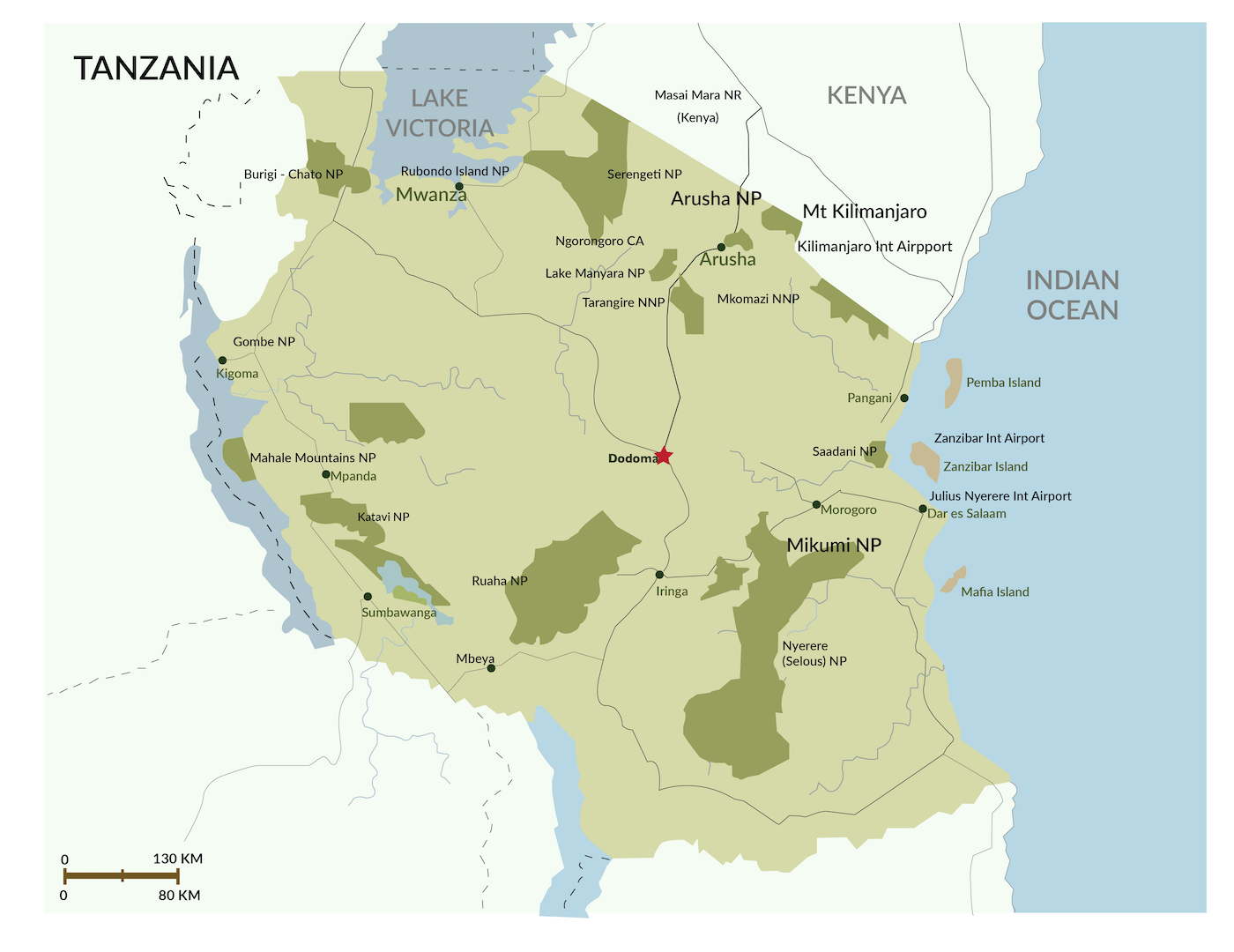
The Ngorongoro Crater is one of Tanzania’s most iconic safari destinations and a UNESCO World Heritage Site. Often called the “Eighth Wonder of the World,” it is the world’s largest intact volcanic caldera, created by the collapse of an enormous volcano approximately 2–3 million years ago.
The crater spans around 264 square kilometers and has a depth of nearly 600 meters, forming a self-contained ecosystem that supports a remarkable concentration of wildlife. Located in northern Tanzania, the crater is part of the Ngorongoro Conservation Area, which also preserves the traditional lifestyle of the Maasai people.
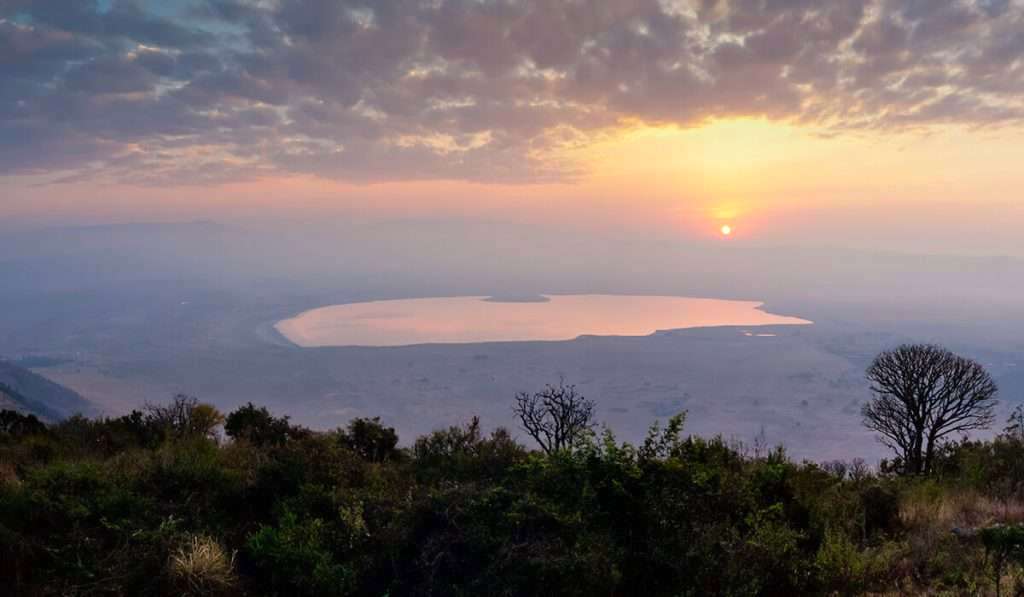
Ngorongoro Crater is a massive volcanic caldera with diverse landscapes that make it ideal for wildlife viewing:
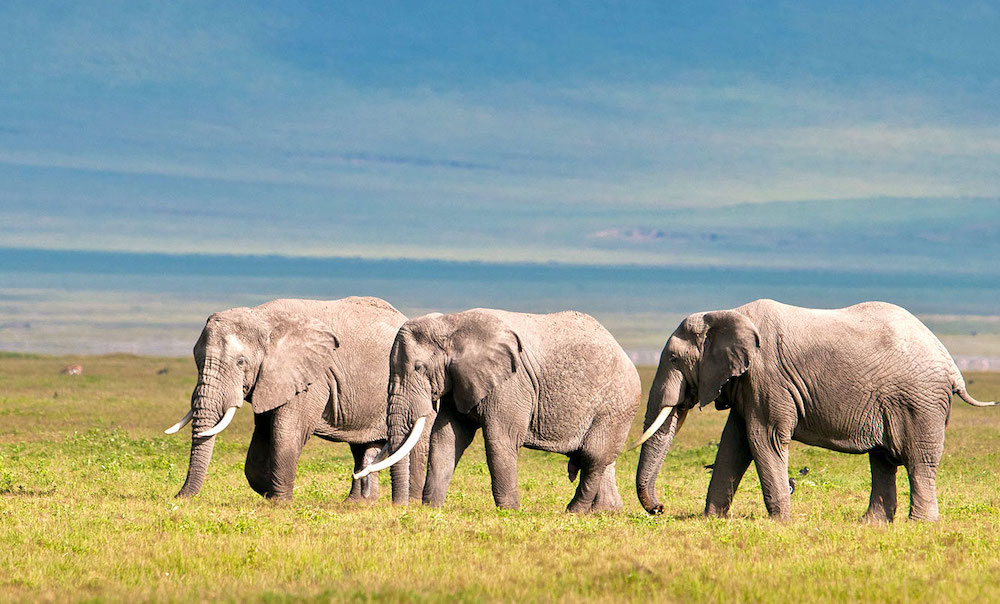
The Ngorongoro Crater is home to a staggering density of wildlife, offering almost guaranteed sightings in a single day. The crater hosts:
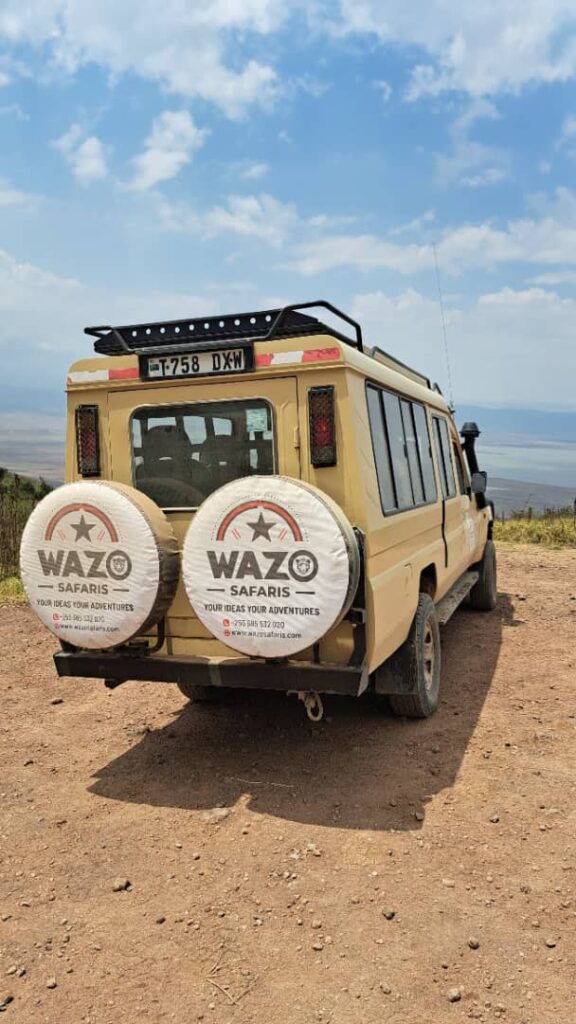
The most popular activity in Ngorongoro Crater is game driving, which allows visitors to explore the crater floor and observe an extraordinary concentration of wildlife. Guests can spot the Big Five lions, elephants, buffaloes, leopards, and black rhinoceroses alongside zebras, wildebeests, hippos, and a wide variety of birds.
Morning drives are particularly rewarding, as predators are most active at sunrise, while afternoon drives offer spectacular lighting and chances to see grazing herbivores. Guided by experienced rangers, these drives provide insight into animal behavior, predator-prey dynamics, and the unique ecosystem of the crater, making it an unforgettable wildlife experience.
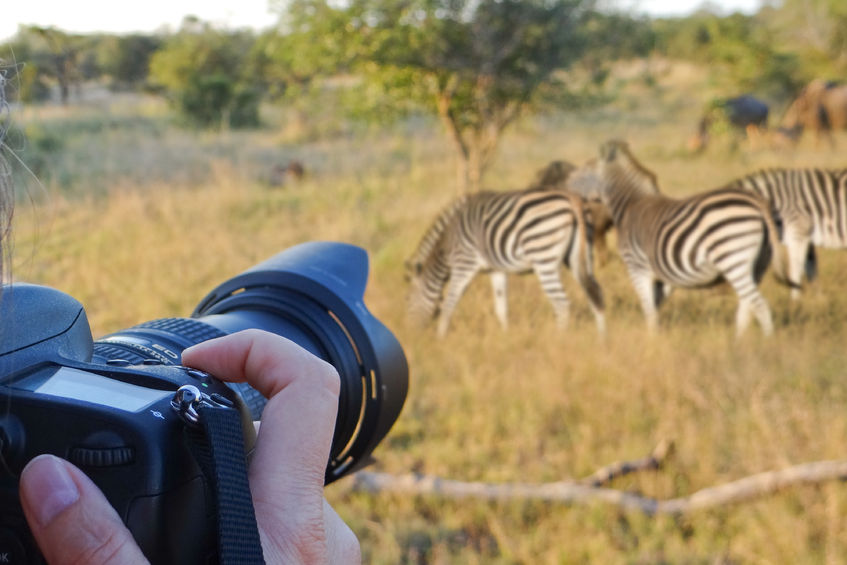
Photography safaris in Ngorongoro Crater are designed to capture the region’s breathtaking landscapes and abundant wildlife. From the crater rim, photographers can shoot panoramic vistas, while game drives allow for close-up shots of animals in their natural habitat.
The crater’s combination of open grasslands, swamps, and forest patches creates endless photo opportunities, from dramatic predator hunts to serene scenes of grazing herbivores. Knowledgeable guides help identify the best vantage points and lighting conditions, ensuring visitors capture memorable images of one of Africa’s most scenic and wildlife-rich environments.
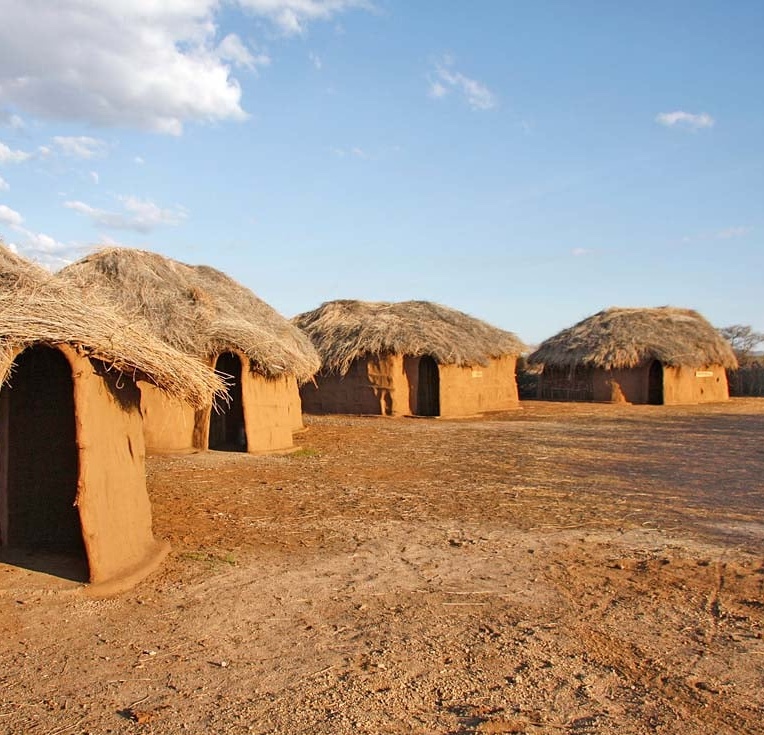
Cultural visits to Maasai villages near the Ngorongoro Crater rim offer travelers a unique glimpse into the traditions and daily life of the indigenous people. Visitors can observe or participate in Maasai dances, ceremonies, and crafts, and learn about their pastoralist lifestyle, which has coexisted with wildlife for centuries.
These visits provide context to the natural environment, showing how communities live sustainably alongside the crater’s abundant animals. Cultural interactions are conducted respectfully, giving travelers a meaningful and enriching experience that complements the wildlife adventure.
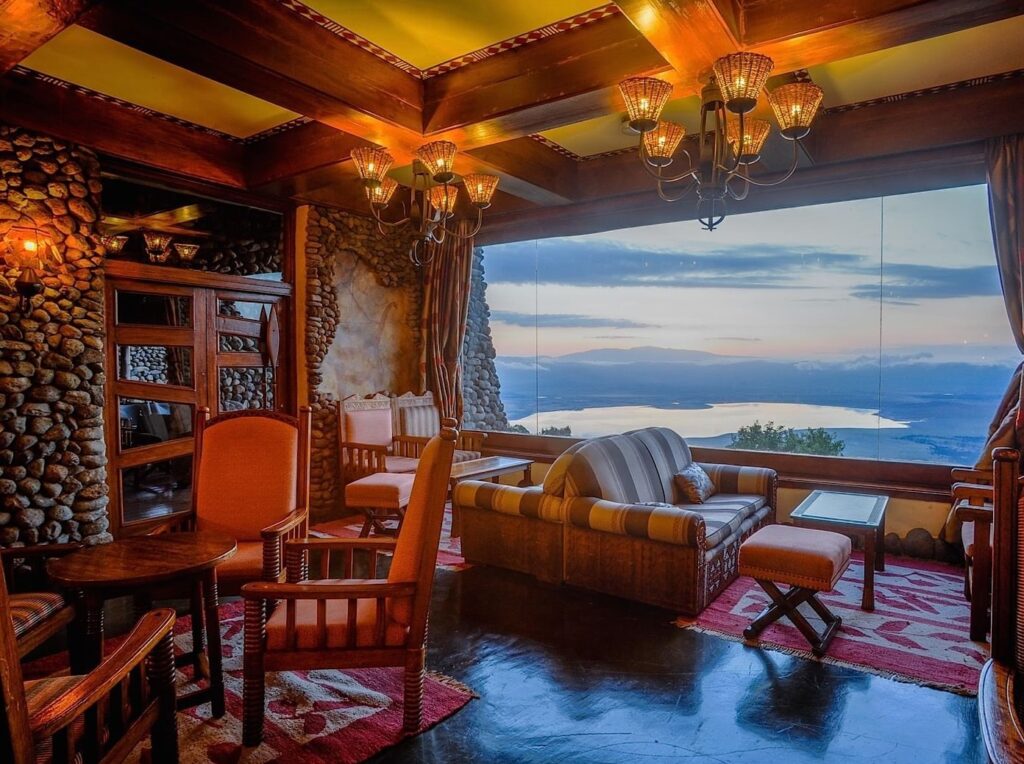
Accommodations around the crater cater to all budgets and preferences:
Luxury lodges: Situated on the crater rim, offering panoramic views, private suites, gourmet meals, and pools. Examples include Ngorongoro Crater Lodge and Highland Safari Lodge.
Mid-range lodges: Comfortable rooms with ensuite bathrooms and scenic locations near the crater, such as Ngorongoro Serena Safari Lodge.
Budget accommodations: Campsites or basic lodges near the conservation area for travelers seeking affordability and authentic experiences.
Call one of our experts or arrange a appointment for ideas and advice.
+255 685 532 020

This four-day private safari is structured to deliver concentrated wildlife exposure across three of Northern Tanzania’s most productive ecosystems.

This five-day private safari is carefully designed to offer a complete Northern Tanzania wildlife experience within a short
This six-day private safari is structured to deliver a complete Northern Tanzania wildlife circuit with strong focus on Serengeti.